
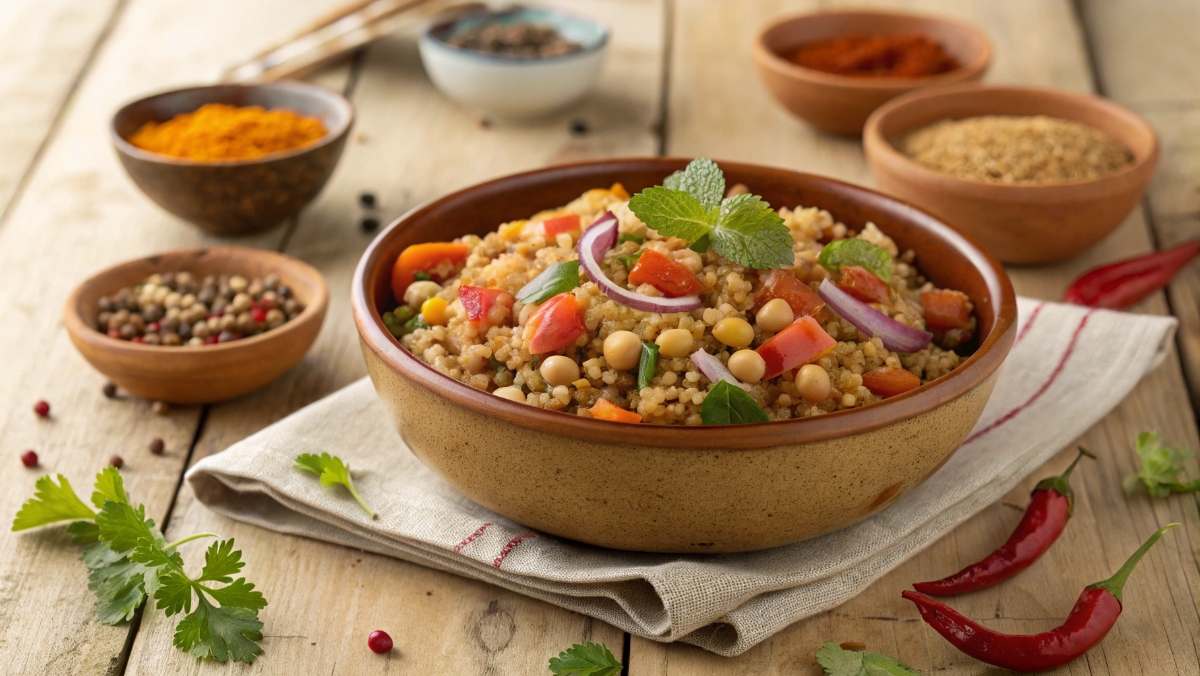
Ingredients in Qoghundos are the heart of this comforting, tradition-rich dish. Built on simple grains, nourishing legumes, fresh vegetables, and warming spices, Qoghundos brings together flavor, nutrition, and cultural meaning in every bite. Its ingredients are chosen with care, balance, and purpose—making it both satisfying and wholesome.
A Historical and Cultural Overview
Understanding the ingredients in Qoghundos begins with its story. This dish is more than a recipe—it is a shared experience shaped by history, geography, and community values.
The Origin of Qoghundos
Qoghundos traces its roots to regions where resourceful cooking was essential. Communities relied on ingredients that were locally grown, affordable, and easy to store. Grains and legumes formed the base, while herbs and spices reflected local tastes and traditions.
Over time, families adapted the dish using what was available to them. This flexibility allowed Qoghundos to travel across regions and cultures, changing slightly but never losing its identity. The ingredients in Qoghundos tell a story of survival, creativity, and shared meals.
Traditionally, Qoghundos was prepared during festive gatherings, seasonal celebrations, and family meals. Each household added its own touch, making the dish deeply personal while still culturally familiar.
The Culinary Significance of Qoghundos
From a culinary perspective, Qoghundos is admired for its balance. The ingredients work together to create:
- A comforting texture
- Deep, layered flavors
- A visually appealing dish
Chefs and home cooks value Qoghundos because it proves an important culinary truth: simple ingredients, when combined thoughtfully, create extraordinary results.
Nutrition experts widely agree that meals combining whole grains, legumes, vegetables, and herbs support overall well-being. This consensus reinforces why the ingredients in Qoghundos have stood the test of time—they nourish both body and soul.
Key Ingredients in Qoghundos
At its core, Qoghundos is built on a small group of dependable, powerful ingredients. Each one has a clear role.
Grains: The Foundation of Qoghundos
Grains are the backbone of the dish. Commonly used grains include:
- Rice
- Bulgur
- Quinoa
These grains provide structure and absorb the flavors of spices and vegetables. They are filling, comforting, and easy to digest. Whole grains, in particular, are supported by nutritional science for their fiber content and sustained energy release.
Grains also make Qoghundos adaptable. Different regions favor different grains, allowing the dish to evolve while remaining familiar.
Legumes: Hearty and Nourishing
Legumes such as:
- Lentils
- Chickpeas
- Beans
add body, protein, and richness to Qoghundos. They complement grains perfectly, forming a complete and satisfying base.
Scientific consensus supports legumes as excellent plant-based protein sources. Their inclusion enhances the dish’s nutritional value without overwhelming its flavor. In many households, legumes make Qoghundos a dependable everyday meal.
Flavor Enhancers in Qoghundos
The magic of Qoghundos lies in how simple ingredients are elevated through careful seasoning.
Spices and Herbs: The Soul of the Dish
Common spices include:
- Cumin
- Coriander
- Paprika
Fresh herbs often used are:
- Parsley
- Cilantro
- Mint
These ingredients add warmth, aroma, and depth. Each spice is used in moderation, creating harmony rather than heat. Culinary experts agree that balanced seasoning enhances flavor while respecting the main ingredients.
Herbs also add freshness and brightness, making Qoghundos feel lively and inviting.
Vegetables: Color, Texture, and Freshness
Vegetables bring life to Qoghundos. Frequently used options include:
- Onions
- Tomatoes
- Peppers
- Carrots
They provide natural sweetness, gentle crunch, and visual appeal. Vegetables are often selected based on seasonality, reinforcing the dish’s connection to local farming and fresh cooking.
This flexible approach allows cooks to customize Qoghundos while maintaining its core identity.
Protein Sources in Qoghundos
Qoghundos welcomes both animal-based and plant-based proteins, making it inclusive and versatile.
Meat Options
In some variations, Qoghundos includes:
- Chicken
- Lamb
- Beef
These meats are typically marinated with spices before cooking. This process enhances flavor and ensures tenderness. When combined with grains and legumes, meat adds richness without overpowering the dish.
Responsible preparation and moderate portions align with widely accepted dietary guidance, supporting balance and enjoyment.
Plant-Based Protein Options
For vegetarian and vegan versions, cooks may add:
- Nuts
- Seeds
- Tofu
These ingredients provide protein while keeping the dish light and wholesome. Plant-based proteins are increasingly supported by nutrition research for their health benefits and sustainability.
This adaptability ensures the ingredients in Qoghundos meet modern dietary preferences without losing tradition.
Crafting Your Own Qoghundos
Making Qoghundos at home is both empowering and rewarding. The process encourages mindful cooking and thoughtful ingredient choices.
Choosing Quality Ingredients
High-quality ingredients lead to better results. Experts recommend:
- Whole grains over refined grains
- Fresh, seasonal vegetables
- Properly stored legumes
Local sourcing improves freshness and supports community producers. These choices align with trusted culinary and nutritional guidelines.
Preparation Matters
Good preparation ensures balance and consistency:
- Chop vegetables evenly
- Rinse grains and legumes thoroughly
- Marinate proteins for deeper flavor
Taking time during preparation allows flavors to blend naturally during cooking. This care transforms Qoghundos from a simple meal into a memorable experience.
Cooking with Confidence
Qoghundos rewards patience. Slow cooking allows grains to soften, legumes to become creamy, and spices to release their aroma. Cooking experts agree that gentle heat preserves nutrients and enhances taste.
FAQs
What are the main ingredients in Qoghundos?
The main ingredients in Qoghundos include grains, legumes, vegetables, herbs, spices, and optional protein sources such as meat or plant-based alternatives.
Is Qoghundos considered a healthy dish?
Yes. Nutrition experts widely agree that meals combining whole grains, legumes, and vegetables support balanced nutrition and sustained energy.
Can Qoghundos be made vegetarian or vegan?
Absolutely. By using legumes, nuts, seeds, or tofu, Qoghundos becomes a satisfying plant-based meal without losing flavor.
Do ingredients in Qoghundos change by region?
Yes. Regional variations use local grains, vegetables, and spices, reflecting cultural preferences and seasonal availability.
How important are spices in Qoghundos?
Spices are essential. They provide warmth, aroma, and depth, transforming simple ingredients into a rich, flavorful dish.
Can I customize the ingredients in Qoghundos?
Yes. Qoghundos is highly adaptable. You can adjust ingredients based on taste, dietary needs, or ingredient availability.
Conclusion
The ingredients in Qoghundos represent more than a recipe—they reflect history, community, nourishment, and care. Each grain, legume, vegetable, and spice plays a purposeful role, creating a dish that is comforting, adaptable, and deeply satisfying.
Crafted with balance and respect for tradition, Qoghundos proves that thoughtful ingredients can build trust, flavor, and lasting memories. Whether shared at celebrations or enjoyed as a quiet family meal, this dish continues to inspire confidence, warmth, and connection—one ingredient at a time.














Leave a Reply