

Doge Software Licenses Audit HUD is a real-time compliance dashboard that helps organizations track software licenses, uncover waste, and protect budgets. It gained attention after revealing thousands of unused licenses at HUD, driving cost savings and accountability. Designed for clarity and control, it turns complex audits into confident, data-driven decisions.
Introduction
Software runs modern organizations—but unmanaged software licensing quietly drains budgets, increases legal risk, and weakens security. For years, license audits were slow, manual, and reactive, often triggered only after a problem surfaced. That changed with the rise of dashboard-driven auditing tools designed for continuous oversight.
The Doge Software Licenses Audit HUD represents a powerful shift toward transparency and efficiency. By presenting license usage, compliance status, and risk signals in a single, real-time view, it allows leaders to act early instead of reacting late.
Its visibility surged after a landmark audit at U.S. Department of Housing and Urban Development (HUD) exposed extensive “ghost licenses”—paid software with no active users.
This article explains what the Doge Audit HUD is, how it works, why license auditing matters, and what organizations—public and private—can learn from its real-world impact. It is written for clarity, trust, and practical value, informed by established best practices in IT governance, asset management, and compliance.
What Is the Doge Software Licenses Audit HUD?
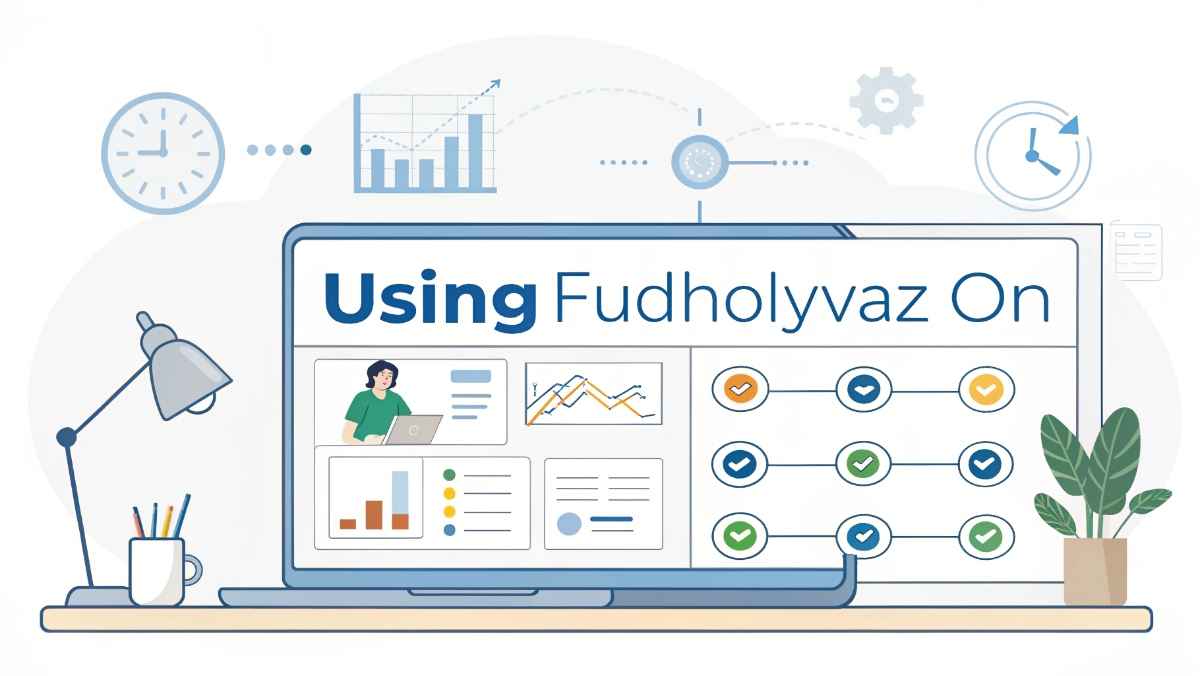
The Doge Software Licenses Audit HUD is a heads-up display (HUD) dashboard designed to monitor software licenses across an organization in real time. Rather than relying on periodic spreadsheets or manual checks, it aggregates live data from IT systems, procurement records, and usage logs into a clear, centralized view.
What the HUD Shows
- License allocation vs. actual usage
- Compliance status across vendors and products
- Alerts for expired, unused, or over-allocated licenses
- Automated summaries for audits, leadership, and regulators
Despite the name, “Doge” does not refer to cryptocurrency. In this context, it points to a developer-friendly audit initiative associated with government efficiency and oversight—focused on clarity, speed, and accountability.
Why a HUD Matters
A HUD works because it reduces complexity. Decision-makers no longer need to interpret raw data or wait for quarterly reports. Instead, they see risk and waste immediately—and can fix it before it becomes costly.
Also Read: Tech Ehla Com – Honest Review, Claims, and Final Verdict!
The “Ghost Licenses” Exposed at HUD
One of the most cited examples of the Doge Audit HUD’s value came from its use at HUD. The dashboard revealed a striking pattern: the agency was paying for thousands of software licenses that had little to no actual use.
Key Findings
- 11,000+ Adobe Acrobat licenses with zero active users
- 35,000+ ServiceNow licenses where only a small fraction were used
- Additional unused licenses across platforms such as Cognos, Java, and Westlaw
These were not minor discrepancies. They represented a systemic issue common in large organizations: licenses are purchased, staff roles change, projects end—but subscriptions keep renewing.
Why This Happens
- Decentralized purchasing
- Lack of continuous monitoring
- Vendor contracts based on estimates, not usage
- Manual audits that miss real-time changes
By surfacing this data instantly, the Doge Audit HUD transformed a hidden problem into an actionable one—leading to immediate cost-control steps and policy reviews.
Why License Auditing Matters
Software license auditing is not just an administrative task. It is a core function of responsible digital governance, supported by long-standing consensus in IT management and cybersecurity research.
1. Legal and Compliance Protection
Most software licenses are legally binding. Overuse, underuse, or misuse can result in penalties, forced true-ups, or litigation. Continuous auditing ensures organizations stay within contract terms.
2. Cost Efficiency
Unused licenses are silent budget killers. Studies in IT asset management consistently show that organizations overspend by 10–30% on software they don’t fully use. Audits convert waste into savings.
3. Security and Risk Reduction
Unused or unmanaged software may go unpatched, creating security vulnerabilities. Auditing reduces attack surfaces by identifying software that should be retired or consolidated.
4. Operational Clarity
When leaders know exactly what tools are used—and why—they can make better decisions about training, consolidation, and future investments.
In short, license auditing protects money, reduces risk, and improves control. The Doge Audit HUD accelerates all three.
How the Doge Audit HUD Revolutionizes Compliance
Traditional audits look backward. The Doge Audit HUD looks now. This shift from periodic checks to continuous monitoring is what makes it transformative.
Centralized License Tracking
All license data—across vendors, departments, and locations—flows into one interface. This eliminates silos and conflicting reports.
Real-Time Insights
Instead of waiting months to discover a problem, teams receive immediate alerts for:
- Unused licenses
- Approaching expirations
- Over-allocation risks
This enables proactive action.
Must Read: Sugarhill Ddot Age – The True Story Behind His Rise!
Automated Reporting
The HUD generates clear summaries for executives, auditors, and regulators. Automation reduces human error and frees staff to focus on strategy instead of spreadsheets.
Integration with Existing Systems
Effective audit HUDs integrate with:
- IT asset management tools
- Procurement and finance systems
- Security platforms
This interoperability is essential for accuracy and trust.
Human-Centered Design
Clarity matters. The Doge Audit HUD prioritizes visual simplicity so non-technical leaders can understand complex compliance data at a glance.
Real-World Impact & Government Response
The HUD findings did more than save money—they reshaped how agencies think about software governance.
Immediate Actions
- License reductions and contract renegotiations
- Centralized oversight of software purchasing
- Adoption of dashboards for ongoing monitoring
Policy-Level Changes
- Broader audits across departments
- Emphasis on usage-based procurement
- Stronger accountability for IT spending
A Broader Message
The success of the Doge Audit HUD sent a clear signal: unmanaged licensing is a measurable risk. Transparency is no longer optional—it is expected.
Private organizations took notice as well. Enterprises facing similar challenges began exploring dashboard-driven audits to gain the same visibility and confidence.
FAQs
What does “HUD” mean in Doge Software Licenses Audit HUD?
Here, HUD means Heads-Up Display—a visual dashboard that shows real-time license usage, compliance status, and risk indicators in a clear, easy-to-read format.
Is the Doge Software Licenses Audit HUD related to cryptocurrency?
No. Despite the name, it has no connection to cryptocurrency. “Doge” refers to an audit initiative focused on efficiency, transparency, and modern oversight.
Who benefits most from using a license audit HUD?
Large organizations with many software vendors—government agencies, enterprises, universities, and healthcare systems—benefit most, but smaller teams can also gain clarity and savings.
Can private companies use tools like the Doge Audit HUD?
Yes. The underlying principles and technologies are widely applicable. Any organization managing multiple software licenses can use similar dashboards to reduce waste and improve compliance.
Does real-time auditing replace traditional audits?
It complements them. Real-time monitoring reduces surprises and prepares organizations for formal audits with accurate, up-to-date data.
Conclusion
The Doge Software Licenses Audit HUD demonstrates what happens when transparency meets smart technology. By transforming software audits from slow, reactive exercises into real-time, confidence-building processes, it protects budgets, strengthens compliance, and restores trust in digital governance.
The lessons from HUD are clear and widely applicable: visibility prevents waste, data drives better decisions, and continuous oversight is the future of responsible IT management. For organizations seeking clarity, control, and peace of mind, dashboard-driven license auditing is no longer a luxury—it is a necessity.








Leave a Reply