
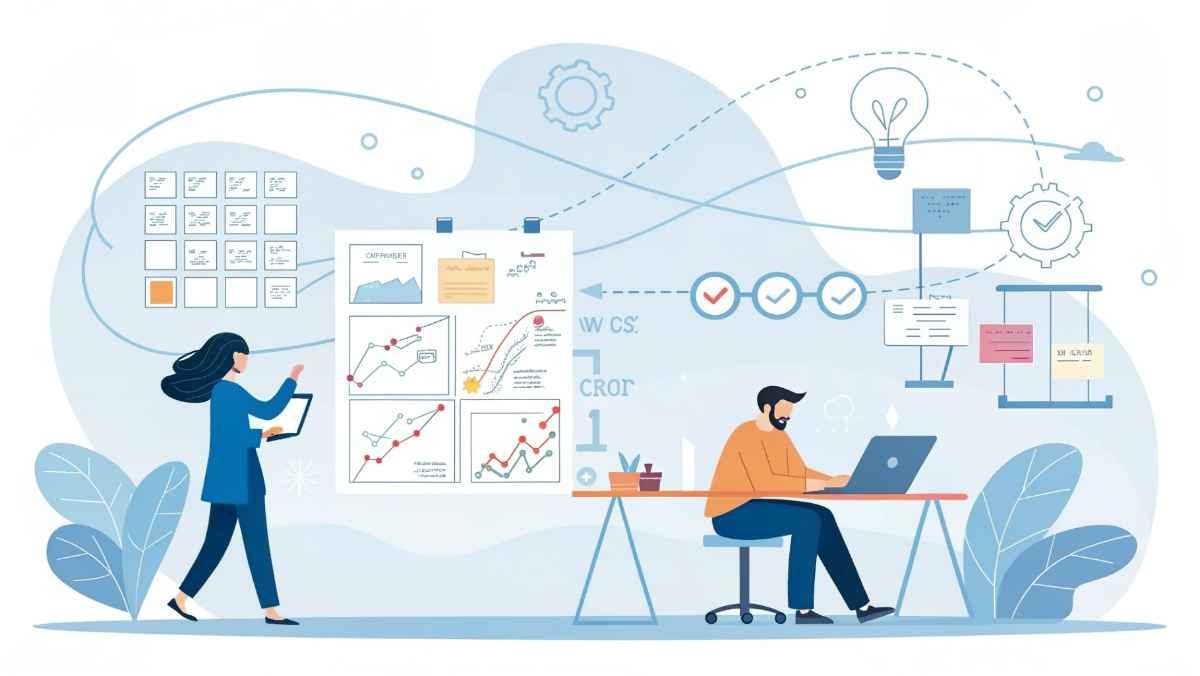
Zvodeps is a modern way of thinking that blends creativity with structure. It helps people turn ideas into action without feeling trapped by rigid systems. In a fast digital world, Zvodeps stands for flexible, human-first progress.
Introduction to Zvodeps
The digital world moves fast. Ideas appear, tools change, and attention is pulled in many directions. In this environment, many people feel pressure to be productive while also staying creative. This tension has opened the door for new concepts that promise balance instead of burnout. One of the most talked-about emerging ideas is Zvodeps.
Zvodeps is not a finished product or a fixed system. It is a concept that reflects how people want to work and think today. Instead of forcing creativity into strict boxes, Zvodeps allows structure to support imagination. This makes it appealing to students, creators, educators, teams, and professionals who value freedom but still need results.
What makes Zvodeps powerful is not complexity. It is clarity. It offers a calm, flexible way to organize thoughts, tasks, and goals without killing momentum. That is why more people are paying attention and asking deeper questions about what Zvodeps really is and where it might lead.
What Exactly Is Zvodeps?
Zvodeps does not have a single official definition, and that is part of its strength. Instead of being locked into one meaning, it lives as a shared idea shaped by users, conversations, and experiments.
At its core, Zvodeps is a creativity framework. It connects imagination with light structure so ideas can move forward instead of getting stuck. Some people describe it as “creativity in motion,” while others see it as a mindset shift that removes fear from planning and execution.
Zvodeps can also be understood as a self-organizing system. Rather than telling people exactly what to do, it adapts to how they think and work. This approach aligns with well-established ideas in cognitive science and productivity research, which show that flexible systems often support deeper focus and long-term motivation better than rigid ones.
In simple terms, Zvodeps is not about controlling work. It is about guiding energy.
Why Do People Care About Zvodeps?
People care about Zvodeps because many existing systems feel heavy. Traditional workflow tools often demand strict steps, constant updates, and fixed rules. While these systems work for some, others feel limited or overwhelmed by them.
Zvodeps offers an alternative. It respects individuality. It allows people to design workflows that match their natural thinking patterns. This aligns with widely accepted research in psychology, which suggests that autonomy increases engagement, creativity, and satisfaction.
Another reason people care is identity. In a world where personal and professional lives overlap, people want systems that support growth without forcing labels. Zvodeps can act as an identity exploration model, helping users reflect on who they are, how they work, and what truly matters.
Simply put, Zvodeps feels human. And that matters more than ever.
Core Interpretations of Zvodeps
Zvodeps is interpreted in several meaningful ways, depending on context and use.
One interpretation sees Zvodeps as a method. In this form, it works like a creative flow that guides ideas from concept to outcome. Designers, writers, and planners use this approach to maintain direction without losing originality.
Another interpretation views Zvodeps as a philosophy. Here, it becomes part of a broader digital-age mindset that values adaptability, learning, and collaboration. This aligns with consensus in modern organizational studies, which emphasize agility and continuous improvement.
A third interpretation imagines Zvodeps as early branding for future tools. While no official software exists yet, the concept reflects what many people want from digital productivity platforms: simplicity, flexibility, and emotional awareness.
All interpretations share one truth. Zvodeps is about movement, not restriction.
Key Features of Zvodeps
Even without a formal product, Zvodeps is associated with clear and appealing features.
One key feature is user-friendly simplicity. People are tired of long manuals and cluttered dashboards. Zvodeps favors intuitive design and gentle guidance, which reflects usability principles widely accepted in human-computer interaction research.
Another feature is integration readiness. The idea imagines systems that connect smoothly with everyday tools, reducing friction and saving time. This mirrors best practices in modern workflow design.
Customization is also central. Zvodeps encourages users to shape their systems around their goals, moods, and environments. Add to this the idea of real-time collaboration, progress tracking, and flexible dashboards, and the appeal becomes clear.
Zvodeps promises ease without laziness and structure without stress.
Benefits of Adopting Zvodeps
The benefits of Zvodeps go beyond productivity numbers. They touch how people feel about their work.
First, Zvodeps supports focused productivity. By removing unnecessary steps, it helps users spend more time on meaningful tasks. Research consistently shows that reducing cognitive overload improves performance and satisfaction.
Second, it enhances collaboration. Teams using flexible frameworks often communicate better because the system adapts to people instead of forcing people to adapt to the system.
Third, Zvodeps encourages creative confidence. When structure feels supportive rather than controlling, people are more willing to experiment, share ideas, and learn from mistakes.
In short, Zvodeps feeds both efficiency and emotional well-being.
How Zvodeps Works in Practice
If Zvodeps were applied as a real system, its process would feel natural.
It would begin with a smooth entry phase, helping users understand the space without pressure. Instead of rigid onboarding, guidance would appear only when needed, reflecting best practices in learning science.
Once active, users could organize ideas, tasks, and goals in flexible ways. Progress would be visible but not stressful. Reflection would be encouraged, creating a loop of learning and improvement.
Collaboration would feel organic. Sharing ideas, giving feedback, and adapting plans would happen in real time. Over time, this creates a living system that evolves with the user.
Zvodeps works because it grows with people, not over them.
Real-World Examples of Zvodeps in Action
In education, Zvodeps can act as a self-organizing learning system. Students manage projects creatively while teachers support teamwork without micromanaging. This approach aligns with educational research that supports student-centered learning.
In startups, speed matters. Founders often juggle many tools. Zvodeps could replace confusion with clarity by unifying planning, creativity, and collaboration in one flow.
For independent creators, Zvodeps offers freedom. Writers, designers, and marketers can explore ideas without losing direction. This balance is widely recognized as essential for sustainable creative work.
These examples show that Zvodeps fits real needs, not just theories.
The Emotional Side of Zvodeps
Productivity is emotional. Stress, fear, excitement, and confidence all shape how people work. Zvodeps acknowledges this truth.
Instead of treating uncertainty as a problem, Zvodeps treats it as fuel. This idea is supported by psychological research showing that curiosity and controlled uncertainty can boost creativity.
Zvodeps also reduces the feeling of being trapped. When systems adapt, people feel empowered. This builds trust, motivation, and long-term engagement.
That emotional safety is why many describe Zvodeps as a mindset shift, not just a framework.
How to Practice Zvodeps Every Day
You do not need special software to practice Zvodeps.
Start with one project. Write down ideas freely, then add just enough structure to keep moving. This simple balance reflects the core of Zvodeps.
Another practice is reflection. Review what worked and adjust gently. Treat your workflow like a living experiment instead of a strict rulebook.
You can also share ideas openly with trusted peers. Community thinking strengthens adaptability and resilience over time.
Small steps, repeated daily, turn Zvodeps into a habit.
Challenges of Zvodeps
Zvodeps is not without challenges.
The biggest issue is clarity. Without a fixed definition, some people may see it as a buzzword. Concepts need time and evidence to gain lasting trust.
Another challenge is competition. Established productivity tools are powerful and familiar. Zvodeps would need clear value to stand beside them.
Still, these challenges are normal for emerging ideas. Growth often begins with questions.
The Future of Zvodeps
The future of Zvodeps is open, and that is exciting.
It may become a real platform with thoughtful design, collaboration features, and analytics that respect human attention. Or it may remain a philosophy that inspires better systems everywhere.
Either way, Zvodeps reflects a strong cultural signal. People want tools and ideas that support flexibility, creativity, and emotional balance.
That demand is not fading. It is growing.
FAQs About Zvodeps
Is Zvodeps a tool or a mindset?
Zvodeps is both. Some use it as a creativity framework, while others see it as a way of thinking that may later inspire real tools.
Who uses Zvodeps today?
Educators, creators, students, and startup teams explore Zvodeps as a flexible system for work and growth.
Can Zvodeps improve teamwork?
Yes. Its focus on adaptability and open collaboration supports healthier group dynamics.
Is Zvodeps only for creative fields?
No. Its flexible nature allows use in education, business, and personal development.
Is Zvodeps scientifically supported?
While Zvodeps itself is new, its principles align with well-established research on autonomy, creativity, and adaptive systems.
Conclusion
Zvodeps is new, evolving, and full of promise. It may become software, remain a philosophy, or inspire better systems everywhere. What matters is what it represents.
Zvodeps stands for balance. It respects structure without sacrificing creativity. It supports progress without pressure. In a world that demands more while giving less time, that balance is powerful.
Zvodeps is not just a word. It is a signal of how people want to think, work, and grow next.








Leave a Reply