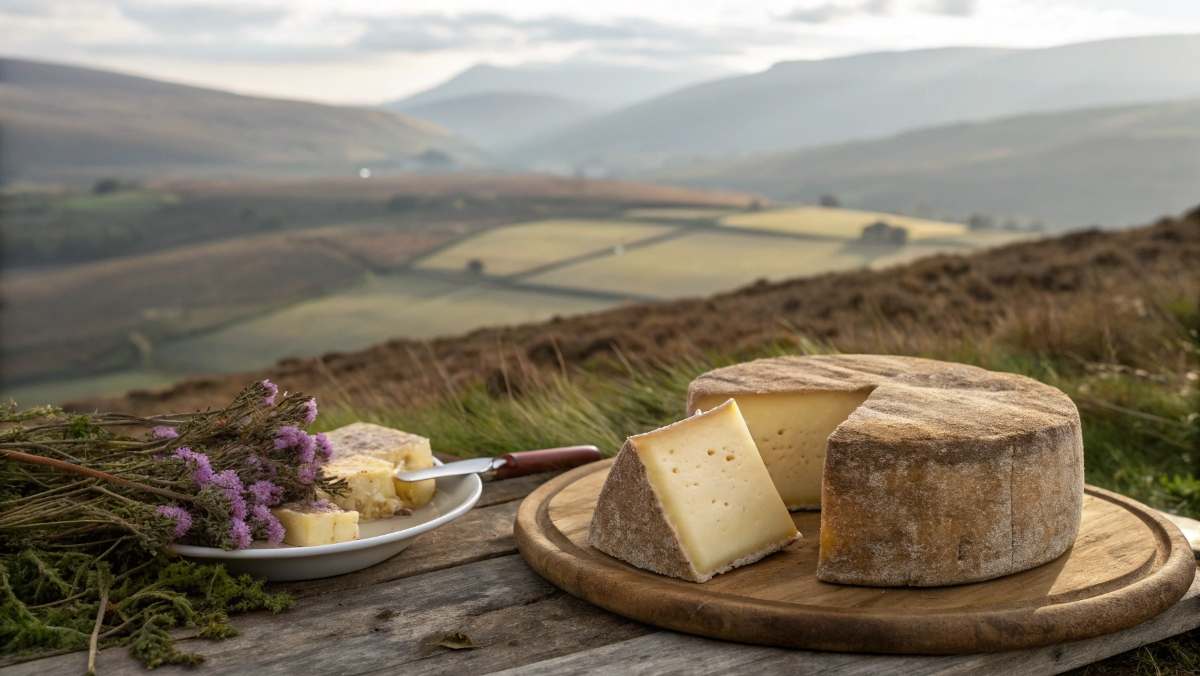
Grouse Cheese – The Truth Behind the Viral Food Trend!
Grouse Cheese is a fascinating internet-born idea—not an officially recognized cheese—sparked by language quirks, voice search mix-ups, and meme culture.
What it lacks in physical form, it makes up for in curiosity, creativity, and culinary imagination. This guide separates fact from fiction, explains why the term exploded, and explores what Grouse Cheese could be if it ever became real.
What Is Grouse Cheese?
Grouse Cheese is not a formally produced or cataloged cheese. There is no verified listing in authoritative references such as the British Cheese Board, Cheese.com, or USDA FoodData Central. No dairy producer, artisan creamery, or culinary institution currently makes a cheese by this name.
So why are people searching for it?
Because Grouse Cheese is a viral term—born from a blend of British slang, voice recognition errors, and algorithmic momentum. Once the phrase appeared in search results, curiosity did the rest. People asked what it is, where to buy it, and what it tastes like. The internet responded with imagination, humor, and speculation—turning a misunderstanding into a mini food phenomenon.
Origins and Evolution of Grouse Cheese
British Slang Confusion
In parts of the UK—especially Scotland and Northern England—“grouse” is informal slang for excellent or great. When someone says, “That cheddar is absolutely grouse,” they mean it’s fantastic.
Spoken aloud, however, phrases like “great cheese” can be misheard as “grouse cheese” by digital assistants. Over time, repeated misinterpretations began to show up in query logs. Algorithms, doing what they do best, noticed a pattern and elevated it.
The Power of Voice Search and Autocorrect
Voice search is convenient—but imperfect. Accents, background noise, speed, and pronunciation can all cause mishearing. As voice queries rise globally, linguistic edge cases like Grouse Cheese are becoming more common.
Once a term appears often enough:
- Search engines suggest it.
- Users click it out of curiosity.
- Creators joke about it.
- The cycle feeds itself.
Grouse Cheese is a textbook example of algorithmic curiosity—where data interest precedes real-world substance.
Also Read: BetterThisWorld BetterThisTechs News – Simple Tech Stories!
The Imaginary Cheese: If Grouse Cheese Were Real
While Grouse Cheese doesn’t exist today, food lovers have delighted in imagining it. If an artisan were to bring it to life, here’s a credible, craft-forward vision grounded in traditional cheesemaking.
Origin and Production
A believable origin would be the Scottish Highlands or Northern England, regions celebrated for pastoral landscapes, dairy heritage, and grouse moorlands. Small-batch production would suit the name—using raw cow’s milk or a cow–sheep blend to achieve depth and complexity.
Traditional methods—hand-ladling curds, slow pressing, and natural aging—would align with the rustic, heritage-driven aura the name suggests.
Texture and Flavour
Expect a semi-hard cheese—somewhere between aged Cheddar and Red Leicester. The interior would be creamy yet firm, with crumbly edges. Flavor notes could include:
- Nutty richness
- Gentle tang
- A faintly earthy, game-adjacent savoriness
Not overpowering—balanced—with a lingering warmth that invites another bite.
Ageing and Rind
Aging for 3–6 months in cool, humid cellars would encourage complexity. A natural rind—perhaps brushed with ash, herbs, or even a whisper of whisky—could add character without masking the milk.
Aromas might hint at mushrooms, toasted nuts, and meadow grass. The kind of cheese that feels honest, handcrafted, and quietly confident.
Culinary Connections: Grouse Cheese in British Cuisine
Even if Grouse Cheese is imaginary, the culinary logic behind it is very real. British cooking has long paired game and dairy with satisfying results.
The Grouse – A British Game Delicacy
The red grouse is among Britain’s most prized game birds, celebrated annually on The Glorious Twelfth (August 12), which marks the start of the grouse shooting season. Its meat is lean, rich, and earthy—often roasted and served with bread sauce, game chips, or seasonal roots.
Cheese in British Cooking
Britain produces 700+ cheeses, from iconic Cheddar and Stilton to regional gems like Wensleydale and Caerphilly. Cheese appears everywhere:
- Ploughman’s lunches
- Savory pies
- Soufflés and sauces
- Hearty winter bakes
This deep cheese culture makes the idea of a regionally inspired “Grouse Cheese” feel oddly plausible.
Grouse and Cheese Pairings
While there’s no literal Grouse Cheese, pairings already exist that echo the concept:
- Roasted grouse with blue cheese sauce
- Grouse pâté topped with aged Cheddar shavings
- Game pies enriched with Gruyère or Lancashire
These combinations show how a robust, earthy cheese could naturally complement game—making the myth feel deliciously logical.
Must Read: Time Warp Taskus Explained: Smarter Way to Manage Your Life
Why “Grouse Cheese” Is Trending Online
Algorithmic Curiosity
Once a phrase appears often enough, platforms surface it more. Autocomplete suggestions, related searches, and trending panels all amplify visibility—even if the term lacks a real-world referent.
The result? A curiosity loop that rewards clicks, questions, and content.
Meme Culture and Food Satire
Food creators love a playful mystery. On forums, short videos, and meme pages, Grouse Cheese became a wink at gourmet excess and SEO oddities. Humor kept it alive—and likable.
Could Grouse Cheese Become Real Someday?
History suggests yes. Internet ideas have become products before:
- Viral drinks turned café staples
- Meme foods launched as limited editions
- Novelty bakes gone mainstream
A creative cheesemaker could release a seasonal “Grouse Cheese”—perhaps a smoked cheddar with moorland herbs—leaning into the joke with craftsmanship and charm. Done right, it could move from myth to market.
FAQs
What is Grouse Cheese?
Grouse Cheese is an internet-born term, not an officially recognized cheese. It emerged from slang confusion, voice search errors, and online curiosity.
Is Grouse Cheese real?
No. There is no verified producer or listing for Grouse Cheese in reputable cheese directories or food databases.
Why do people search for Grouse Cheese?
Because search suggestions, memes, and curiosity made it trend—prompting users to ask what it is and whether they can buy it.
Does Grouse Cheese come from the grouse bird?
No. The name is linguistic, not biological. It isn’t made from grouse or related to game meat.
Where can I buy Grouse Cheese?
You can’t—at least not yet. No official product exists under this name.
What would Grouse Cheese taste like if it were real?
Imagined versions suggest a semi-hard, nutty, slightly earthy cheese—balanced and rustic.
Is Grouse Cheese a British cheese?
Not officially, but the idea draws heavily from British food culture and regional cheesemaking traditions.
Could Grouse Cheese become real in the future?
Possibly. A cheesemaker could turn the concept into a limited-edition product inspired by the trend.
Conclusion
Grouse Cheese is a delightful reminder of how language, technology, and culture intersect online. A simple mishearing evolved into a trending curiosity—sparking imagination, humor, and even serious culinary thought. While it doesn’t exist on any cheeseboard today, the idea resonates because it feels right: regional, rustic, and rooted in Britain’s love for cheese and game.
Whether Grouse Cheese remains a myth or becomes a cheeky artisan release someday, its story is already a success—a truly grouse example of digital creativity at work.