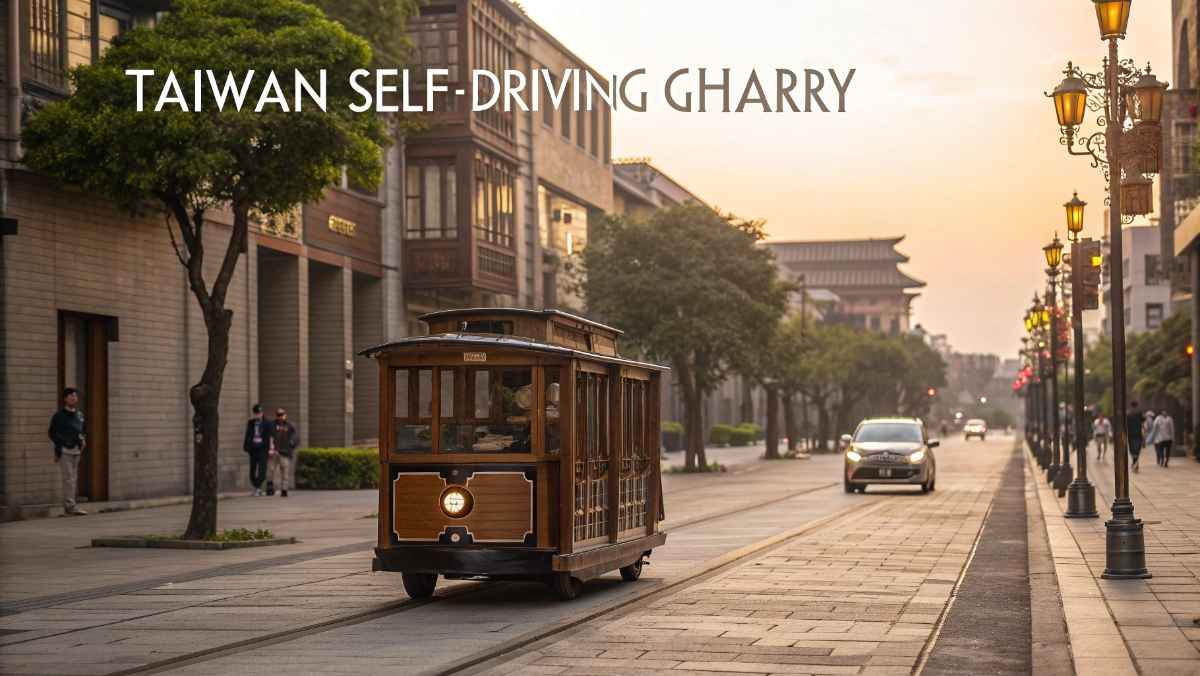
Taiwan Self-Driving Gharry – Everything You Need to Know!
Taiwan’s self-driving gharry is a smart, electric carriage that blends cultural heritage with modern autonomous technology. It offers a slow, safe, and scenic way to explore historic districts and tourist areas. More than transport, it is a symbol of how Taiwan connects tradition with the future.
What Is a Gharry? And Why Is It Coming Back?
A gharry was once a common sight across Asia. Traditionally, it was a horse-drawn carriage used to move people and goods through narrow streets. In Taiwan, gharries were part of daily life before cars, buses, and trains took over. Over time, they disappeared as cities modernized and traffic increased.
Today, Taiwan has brought the gharry back—but in a bold new form. Instead of horses, the modern gharry runs on electric motors, artificial intelligence, and autonomous driving systems. The idea is not to recreate the past exactly, but to honor it while upgrading it.
This revival answers a growing need. Many travelers and locals feel tired of fast, crowded transport. They want something calmer, cleaner, and more meaningful. The self-driving gharry meets that desire by offering a ride that feels personal, cultural, and peaceful, while still using advanced technology.
The return of the gharry also reflects a larger trend in Taiwan: innovation that respects history. Rather than replacing old ideas, Taiwan reimagines them—turning heritage into a living, moving experience.
How Does the Taiwan Self-Driving Gharry Work?
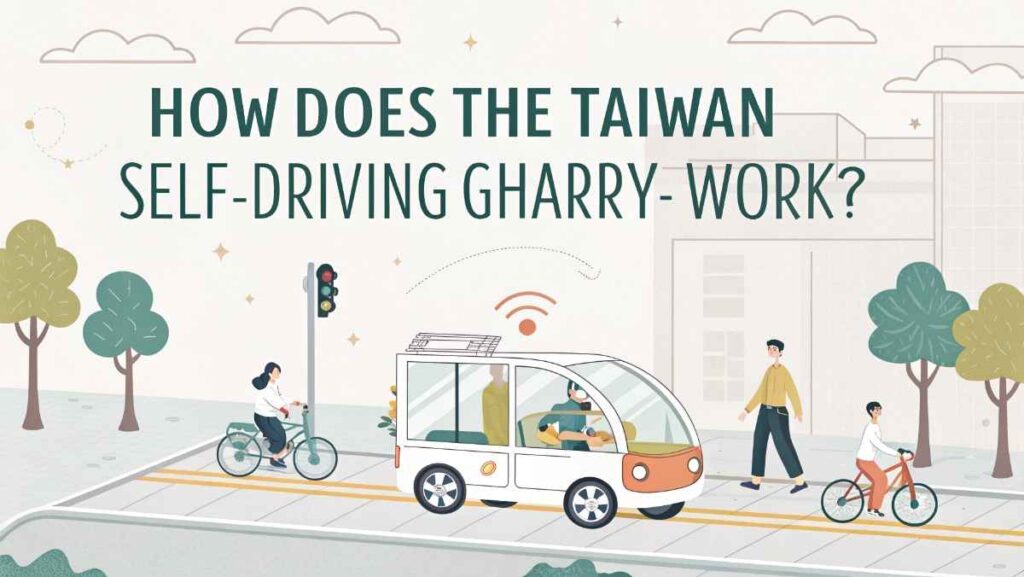
The Taiwan self-driving gharry may look nostalgic, but underneath its elegant design is a powerful smart system. Every ride is controlled by a network of proven autonomous-driving technologies that are already widely accepted in the global mobility industry.
Here is how it works in simple terms:
- GPS and high-definition maps guide the gharry along pre-approved routes with strong accuracy.
- Lidar and radar sensors constantly scan the surroundings to detect people, bikes, animals, and other vehicles.
- 360-degree cameras help the system “see” traffic signals, road edges, and unexpected obstacles.
- Artificial intelligence (AI) acts as the brain, making real-time decisions such as slowing down, stopping, or turning.
- Electric batteries and motors power the vehicle quietly and cleanly, with zero emissions.
These systems work together to create a ride that feels natural and smooth. The gharry does not rush. It moves at low, safe speeds, which makes it ideal for historic streets, parks, waterfronts, and cultural districts.
Importantly, these vehicles are tested in controlled environments and approved routes. This careful approach builds public trust and aligns with global safety standards for autonomous mobility.
Also Read: Martin Clunes’ Wife Accident – What Fans Should Know (2026)
The Travel Experience: Slow Travel with Style
The self-driving gharry is not about speed. It is about experience.
Passengers often describe the ride as calm, charming, and surprisingly emotional. Inside, the space is designed for comfort and connection, not distraction.
Most gharries offer:
- Seating for 4 to 6 passengers
- Soft interior lighting and wide windows
- Quiet electric movement with no engine noise
- Optional music or cultural audio guides
- Touch screens with local stories and route information
Riders can usually book the gharry through a mobile app, selecting pickup and drop-off points within designated areas. The experience feels modern and easy, yet warm and human.
This form of “slow travel” encourages people to notice details—old buildings, street art, river views, and daily life. Instead of rushing from one attraction to another, the journey itself becomes the highlight.
For many visitors, the gharry feels like stepping into a moving storybook, where the city unfolds gently outside the window.
Why Is the Gharry Perfect for Taiwan?
Taiwan’s cities face the same challenges as many modern places: traffic congestion, air pollution, noise, and crowded tourist spots. The self-driving gharry offers thoughtful solutions that fit Taiwan’s unique urban landscape.
Reduces Carbon Footprint
The gharry is fully electric, producing no exhaust emissions. This supports Taiwan’s long-term environmental goals and global efforts to reduce urban pollution. Quiet electric movement also improves air and sound quality in historic areas.
Eases Traffic Pressure
Because gharries are compact and slow-moving, they can operate in narrow streets and pedestrian-friendly zones where large vehicles cannot go. This reduces pressure on main roads and encourages smarter traffic flow.
Supports Tourism
Tourists love experiences that feel authentic. The gharry combines heritage design with modern convenience, making it highly attractive for cultural tourism. Guided routes help visitors learn while they travel, increasing satisfaction and engagement.
Enhances Public Safety
Low speeds, advanced sensors, and automated braking systems make the gharry extremely pedestrian-friendly. This is especially important in crowded districts, parks, and family areas.
Together, these benefits explain why the gharry feels so naturally suited to Taiwan’s cities and values.
Popular Gharry Routes and Destinations
Although still expanding, self-driving gharries already operate or pilot in several iconic locations. These routes are chosen carefully for safety, scenery, and cultural value.
Popular areas include:
- Historic riverfronts and old town districts
- Cultural parks and art centers
- Scenic lakes and forest recreation zones
- University campuses and large public spaces
These routes allow riders to experience Taiwan’s diversity—from traditional neighborhoods to natural beauty—without stress or crowds.
As public acceptance grows, more destinations are expected to join the network.
Government & Private Sector Support

The success of the Taiwan self-driving gharry is not accidental. It is the result of strong cooperation between government agencies, universities, and private companies.
Support includes:
- Public funding for autonomous vehicle research
- Legal frameworks for testing and insurance
- Designated “sandbox” zones for safe trials
- Partnerships with technology startups and manufacturers
This balanced approach ensures innovation without sacrificing safety. It also sends a clear message: Taiwan is serious about building smart cities that respect people and culture.
Public Response: Nostalgia Meets Novelty
Public reaction to the self-driving gharry has been overwhelmingly positive.
- Families enjoy relaxed weekend rides.
- Elderly passengers appreciate the gentle pace and easy access.
- Children are fascinated by the “robot carriage.”
- Tourists love the photo-friendly design and cultural storytelling.
The emotional response matters. People do not just see a vehicle; they see a familiar shape from the past, now alive in the present. This emotional connection builds trust and pride.
Must Read: Sean Gilmartin Net Worth – A Complete 2026 Guide!
Gharry as a Cultural Storyteller
Every design choice inside the gharry tells a story. Wood-style interiors, curved roofs, lantern-inspired lighting, and traditional patterns reflect Taiwan’s heritage.
Some gharries even offer:
- Classical Taiwanese music
- Digital narrators sharing local legends
- Historical facts linked to landmarks along the route
This turns each ride into a moving cultural lesson, making transportation meaningful rather than mechanical.
Comparison with Global Trends
Around the world, autonomous vehicles often focus on speed, efficiency, and profit. Taiwan’s gharry takes a different path.
Instead of replacing drivers with machines, it replaces stress with calm. Instead of futuristic steel boxes, it offers familiar shapes with smart technology inside.
This human-centered approach has gained international attention as a model for how innovation can serve communities, not just systems.
Passenger Testimonials: Firsthand Magic
Many riders describe their first experience as unforgettable.
Some say it feels like revisiting childhood streets. Others call it the most peaceful moment of their trip. Students use it for short campus travel and even give the gharries friendly nicknames.
These personal stories show that technology can create joy, not distance.
Challenges to Overcome
Despite success, challenges remain:
- Sensor performance in heavy rain or fog
- Complex traffic situations
- Legal clarity around liability and data use
- Ongoing public education and trust-building
Engineers continue refining systems, and policymakers adapt rules as data improves. Progress is steady and transparent.
A Symbol of Cultural Preservation
The self-driving gharry proves that progress does not require forgetting the past. By preserving form, texture, and meaning, Taiwan shows that heritage can move forward—literally.
It is transport, art, and memory combined.
Global Attention and Economic Potential
Countries across Asia and Europe are watching closely. Some explore partnerships, others consider adapting the concept for their own historic districts.
This positions Taiwan as a leader in cultural smart mobility, exporting both technology and design philosophy.
New Frontiers: What’s Next?
Better Batteries
Longer range and faster charging will allow all-day operation.
Smarter AI
Learning systems will adapt to routes, weather, and passenger needs.
Special Editions
Family rides, romantic tours, and educational versions are planned.
Delivery Mode
Small deliveries in narrow streets could reduce traffic further.
Campus Integration
Universities may adopt gharries for daily student transport.
V2X Communication
Vehicles will communicate with traffic lights and emergency systems for added safety.
Economic Impact & Job Creation
The gharry ecosystem creates jobs for:
- Engineers and designers
- Software developers and data scientists
- Safety testers and maintenance teams
- Tourism and cultural content creators
It supports local industry while preparing Taiwan’s workforce for the future.
Taipei Self-Driving Gharry
The Taipei self-driving gharry is a smart electric carriage that moves without a driver. It lets people explore historic areas slowly and safely. The ride feels calm, cultural, and modern at the same time, making city travel more enjoyable and memorable.
FAQs
What Is the Concept of Self-Driving?
Self-driving means a vehicle can move by itself using sensors, cameras, and smart software, without needing a human driver to control it.
Which Country Is Leading in Self-Driving Cars?
The United States is leading in self-driving cars, with advanced testing, strong technology companies, and many pilot programs running daily.
What Is the Meaning of Full Self-Driving?
Full self-driving means a vehicle can handle all driving tasks alone, including turns, traffic, and parking, without human help.
Which Country Is Car-Friendly?
Germany is considered very car-friendly because of strong roads, safety rules, and driver-focused infrastructure like the Autobahn system.
Is the Taiwan Self-Driving Gharry Safe?
Yes, the Taiwan self-driving gharry is safe because it moves slowly, uses smart sensors, and operates only on approved routes.
Conclusion
The Taiwan self-driving gharry is more than innovation. It is a gentle reminder that technology can be kind, elegant, and meaningful.
By blending culture with autonomy, Taiwan proves that the future of transport does not have to be cold or rushed. It can be warm, thoughtful, and deeply human—rolling forward on quiet wheels, carrying stories from the past into tomorrow.