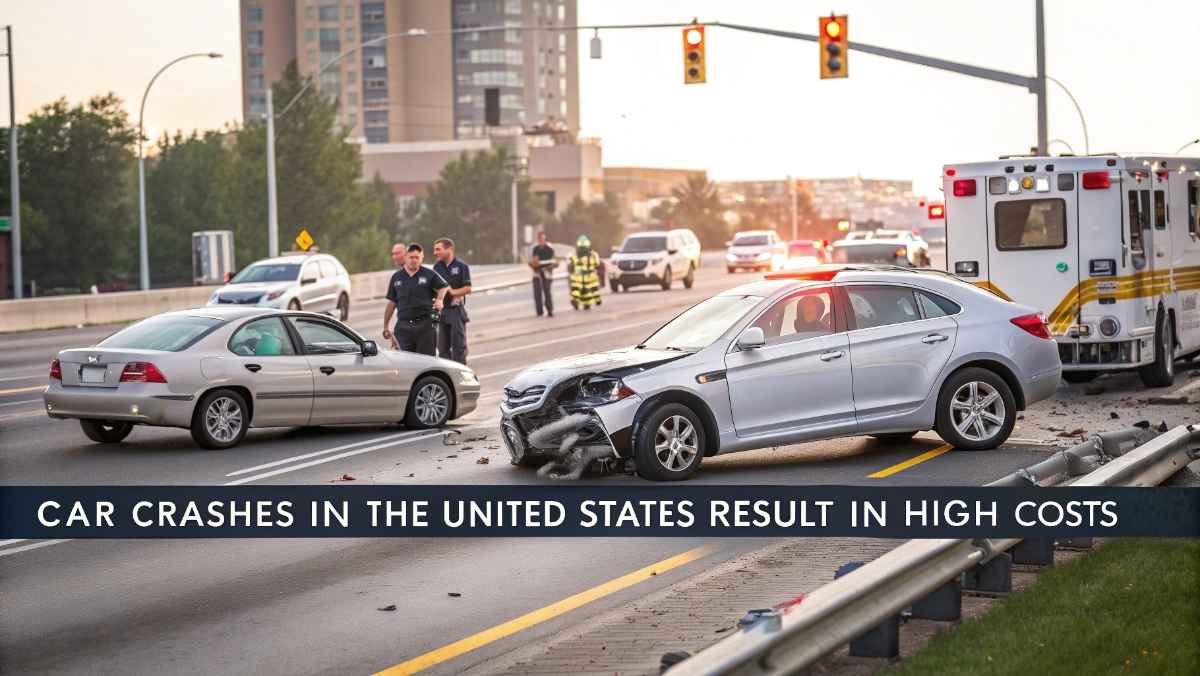
Car Crashes in the United States Result in High Costs. In What Areas Do These High Costs Occur?
Car crashes in the United States result in high costs across medical care, property damage, lost productivity, traffic delays, and public infrastructure repairs.
These expenses ripple through families, businesses, insurers, and taxpayers. Understanding where the money goes helps communities reduce harm and invest in safer roads.
Direct Financial Costs: The Immediate Expenses
Car crashes trigger instant, unavoidable bills. From the moment of impact, costs accumulate—often before victims fully understand the financial consequences. These direct costs are the most visible and emotionally charged, yet they represent only part of the total burden.
Medical and Healthcare Expenditures
Healthcare is the single largest and most urgent expense after a crash. Emergency medical services begin charging the moment a call is placed.
Ambulance transport, trauma care, and diagnostic testing quickly add up. Imaging like CT scans and MRIs, essential for identifying internal injuries, can cost thousands of dollars per scan.
Severe injuries multiply costs dramatically. Traumatic brain injuries, spinal cord damage, internal bleeding, and multiple fractures require specialized surgeries and extended hospital stays.
Even after discharge, many patients need months—or years—of physical therapy, occupational therapy, and follow-up care. Prescription medications, mobility aids, and mental health counseling further increase the bill.
According to consensus estimates from transportation and public health researchers, medical expenses alone account for a substantial share of crash-related economic losses each year.
Insurance helps, but deductibles, co-pays, coverage limits, and out-of-network charges often leave families facing crushing out-of-pocket costs. The financial stress can delay recovery and destabilize households already coping with trauma.
Property Damage and Vehicle Repair
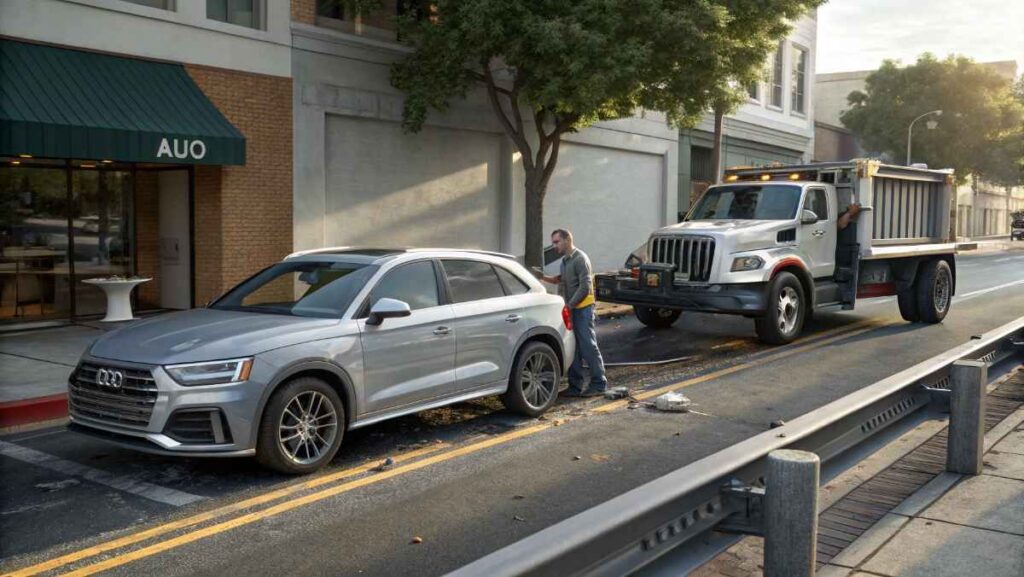
Vehicle damage is the most common cost most drivers encounter. Modern cars are engineering marvels, but their complexity makes repairs expensive.
Bumpers now contain sensors for adaptive cruise control, collision avoidance, and parking assistance. Windshields often house cameras tied to driver-assistance systems that must be recalibrated after replacement.
Even minor collisions can result in repair estimates that exceed a vehicle’s value, leading insurers to declare a total loss. Beyond repairs, drivers face towing charges, storage fees, and rental car expenses. For people who rely on their vehicles to commute or earn income, downtime creates additional financial strain.
Repair inflation has surged in recent years due to higher labor costs, advanced materials, and global supply-chain pressures. As a result, property damage costs continue to climb, pushing insurance premiums higher for everyone.
Damage to Public and Private Infrastructure
Crashes don’t stop with vehicles. Guardrails, traffic signals, streetlights, medians, bridges, utility poles, storefronts, and residential fences are frequently damaged. Replacing or repairing this infrastructure is expensive and time-sensitive, especially when safety is compromised.
Local governments usually pay upfront to restore roads and utilities, drawing from municipal budgets funded by taxpayers.
While cities may seek reimbursement from insurers, recovery is not always complete—especially when coverage limits are low or fault is disputed. When private property is damaged, liability claims can escalate quickly, exposing drivers to lawsuits if insurance falls short.
The Hidden and Indirect Costs
Beyond visible bills lies a web of indirect costs that quietly drain the economy. These losses affect people who were never in the crash, spreading the burden far beyond the scene.
Lost Wages and Productivity
Time away from work is one of the most devastating financial consequences for families. Hospitalization, recovery, and rehabilitation mean missed paychecks—often when medical bills are highest. Workers without paid leave or flexible jobs are hit hardest.
Long-term or permanent injuries can end careers entirely. When experienced workers exit the labor force, businesses lose skills and institutional knowledge. Employers face recruiting and training costs, while productivity declines. On a national scale, these individual losses compound into billions in reduced economic output.
Legal, Court, and Administrative Costs
Many crashes lead to legal action. Determining fault, negotiating settlements, and litigating serious injury cases require extensive legal resources. Attorneys’ fees, expert witnesses, court filings, and administrative processing all add to the total cost.
Insurance companies also incur massive expenses managing claims and defending lawsuits. These operational costs are ultimately passed on to consumers through higher premiums. Even when cases settle out of court, the system absorbs significant time and money that could otherwise be invested productively.
Traffic Congestion and Environmental Impact
A single crash can paralyze traffic for hours. Delays waste time, disrupt deliveries, and increase fuel consumption. For commuters, lost minutes accumulate into lost income and reduced quality of life.
Idling vehicles emit excess greenhouse gases and pollutants, worsening air quality and public health. Transportation economists widely agree that these “external costs”—time loss, fuel waste, and environmental damage—add billions to annual crash totals. Everyone pays, even those miles away.
Emergency Response and Scene Cleanup
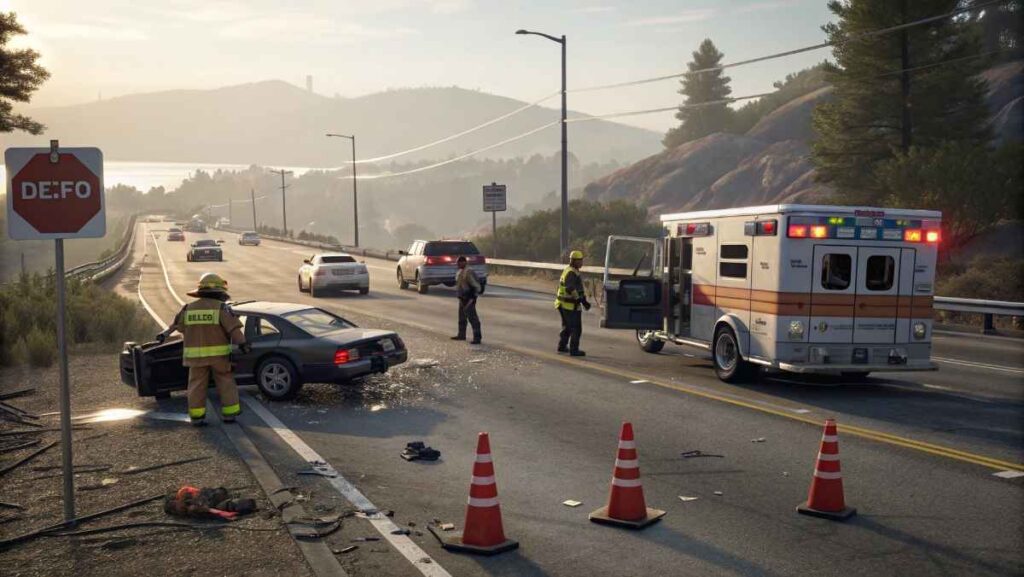
Police, firefighters, paramedics, and cleanup crews respond rapidly to crashes. Securing scenes, extracting victims, controlling traffic, and removing debris require specialized equipment and trained personnel.
These services are funded largely by public budgets. Some jurisdictions bill insurers or at-fault drivers through crash response fees, but taxpayers often shoulder much of the cost. Hazardous material spills, such as fuel or chemical leaks, further increase cleanup expenses and environmental risk.
The Broader Economic Picture
When aggregated nationwide, crash costs reach staggering levels. Understanding the scale clarifies why prevention is both a moral and economic imperative.
How Much Do Car Crashes Cost the U.S. Annually?
Using conservative “economic cost” measures—medical care, property damage, lost productivity, legal expenses—researchers estimate annual costs in the hundreds of billions of dollars.
When analysts include the value of lost life, pain, and reduced quality of life (often termed “comprehensive costs”), totals rise dramatically into the trillions.
These estimates are supported by long-standing analyses from transportation economists and safety agencies, including the National Highway Traffic Safety Administration. The consensus is clear: car crashes represent one of the largest preventable drains on the national economy.
Who Ultimately Pays the Bill?
Costs are shared—but not evenly:
- Private insurers cover a large portion through claims, spreading costs across policyholders.
- Individuals and families pay through deductibles, uncovered expenses, lost income, and long-term financial instability.
- Taxpayers fund emergency services, infrastructure repair, and public healthcare programs that absorb uncompensated care.
The result is a hidden tax embedded in insurance premiums, taxes, and consumer prices.
Why These Costs Persist and What Can Be Done
Despite decades of progress, crash costs remain high. The encouraging news: proven solutions exist.
Stricter Enforcement of Traffic Laws
Speeding, impaired driving, and distraction are leading causes of crashes. Consistent enforcement—speed cameras, sobriety checkpoints, and penalties for distracted driving—changes behavior. Evidence shows that visible enforcement reduces risky actions, preventing crashes before they happen and lowering associated costs.
Better Road Design and Infrastructure Maintenance
Road design matters. Clear signage, proper lighting, protected turn lanes, rumble strips, and roundabouts reduce conflict points and severe collisions. While infrastructure upgrades require investment, they pay for themselves by preventing repeated crashes at high-risk locations.
Advances in Vehicle Safety Technology
Technology is a powerful ally. Automatic emergency braking, lane-keeping assistance, blind-spot monitoring, and improved crash structures prevent collisions or reduce injury severity. As these systems become standard, repair and medical costs decline alongside lives saved.
Public Awareness and Community Involvement
Culture shapes safety. Education campaigns that highlight the real costs of distracted and impaired driving resonate—especially with young drivers. Community engagement helps identify dangerous roads and advocate for fixes. When people feel ownership of safety, behavior improves.
FAQs
How big is the property damage component of crash costs?
Property damage is very large. It includes fixing cars, replacing safety systems, towing vehicles, and repairing roads, lights, and buildings, adding up to tens of billions of dollars each year.
Who pays for damage to public property after a crash?
Local governments usually pay first using taxpayer money. Later, they may recover costs from the driver’s insurance, but not all expenses are always fully repaid.
Do all car crash cases go to court?
No, most car crash cases are settled outside court. Insurance companies usually negotiate payments, because court cases take more time, cost more money, and create extra stress.
How do traffic congestion and environmental effects contribute to the cost?
Crashes cause traffic delays that waste time and fuel. Idling cars increase pollution, raise health risks, and add environmental cleanup costs, which together increase the total financial burden.
How costly are car crashes to the United States annually?
Car crashes cost the United States hundreds of billions of dollars each year. When lost lives, pain, and long-term suffering are included, the total cost rises into trillions.
In what key areas are these high costs experienced?
High costs appear in healthcare, vehicle repairs, public infrastructure, lost wages, legal cases, emergency response, traffic delays, and environmental damage affecting both individuals and society.
Who pays most of these costs?
Insurance companies cover a large share, but drivers, families, and taxpayers also pay through higher premiums, medical bills, lost income, taxes, and increased public service costs.
Why are modern crashes more expensive?
Modern vehicles use advanced technology and sensors that are costly to repair. Medical care is also more advanced and expensive, making even minor crashes cost much more than before.
What can help reduce these costs?
Stronger traffic law enforcement, safer road design, better vehicle safety technology, and public awareness can prevent crashes, reduce injuries, and lower long-term financial costs for everyone.
Conclusion
Car crashes in the United States are more than isolated tragedies—they are a national economic challenge. From hospital bills and vehicle repairs to lost productivity, legal systems, and environmental damage, the costs touch every corner of society. The numbers are sobering, but the path forward is hopeful.
By enforcing smart laws, designing safer roads, embracing life-saving technology, and fostering a culture of responsibility, communities can dramatically reduce both human suffering and financial loss. Every prevented crash protects families, strengthens the economy, and builds a safer future.
Also Read: