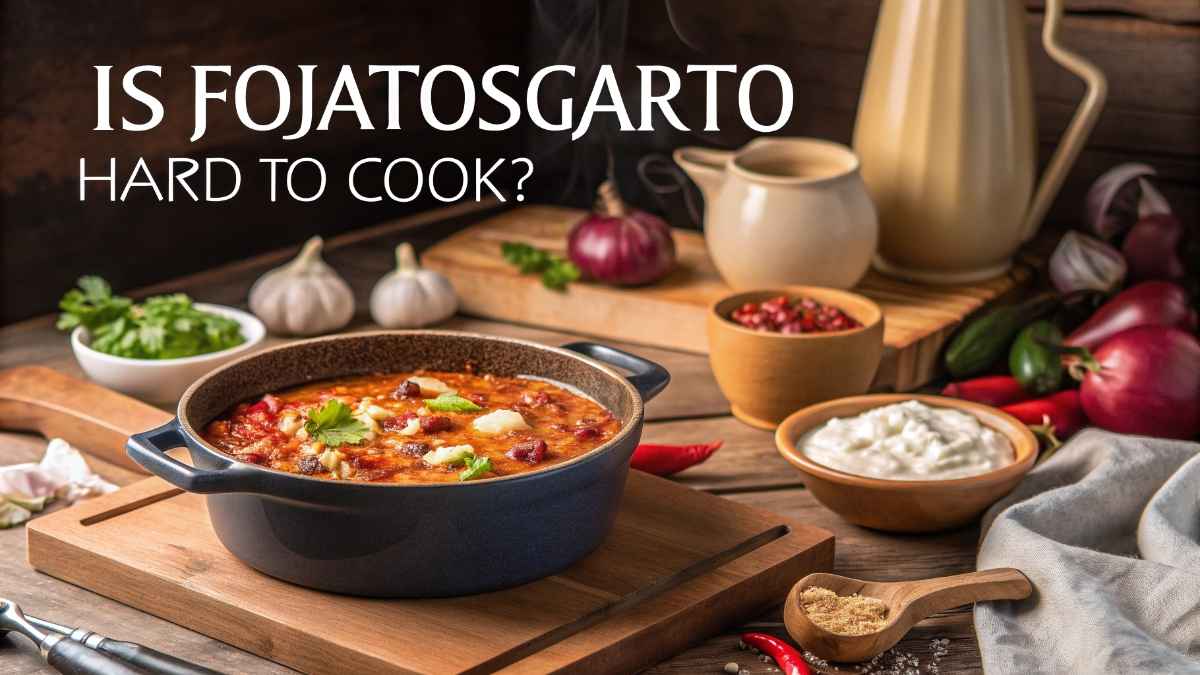
Is Fojatosgarto Hard to Cook? – A Beginner-Friendly Guide
Cooking a dish with a long, unfamiliar name can feel a little intimidating, and Fojatosgarto is no exception. Many people see the name online and instantly wonder if it’s difficult or too advanced for home cooking. But the truth is far more comforting than the title suggests.
Fojatosgarto is a simple, slow-simmered meal built on everyday ingredients and gentle steps that even beginners can follow with confidence.
Once you understand how it works, the dish becomes warm, approachable, and surprisingly easy to master. This guide will walk you through everything you need to know—clearly, calmly, and confidently.
What Exactly Is Fojatosgarto?
Fojatosgarto is a rustic, slow-cooked European comfort dish known for its rich paprika base, tender meat, and creamy finish. It usually features pork belly, onions, garlic, broth, and sour cream. Although its name sounds exotic, the ingredients are familiar to most home cooks.
Its charm comes from simplicity:
- A one-pot method
- Low heat
- Natural flavor-building
- Minimal skills required
Experts familiar with slow-cooking techniques agree that dishes like this rely more on patience than on professional skill. That’s why many beginners fall in love with it—it tastes impressive but requires almost no advanced cooking knowledge.
Why Do People Think It’s Difficult?
1. The Name Sounds Technical
Many people assume Fojatosgarto is a complex gourmet dish because its name feels foreign. Food researchers note that dishes with unfamiliar names often appear more “advanced” than they truly are. Once you look at the recipe, it’s no harder than stew.
2. Slow Cooking Is Confused with “Complicated”
Slow cooking is often misunderstood. People think long cooking time means difficult cooking. In reality, slow cooking is one of the easiest methods in culinary science because the heat does the work. There is no pressure to rush, and no need for constant monitoring.
3. People Fear Burning Paprika
This is the only part that can go wrong if done incorrectly. Paprika burns fast at high heat, turning bitter. But culinary experts recommend an easy fix: add paprika only after onions release moisture or mix it with broth first. Once this step is mastered, everything else is straightforward.
So… Is Fojatosgarto Hard To Cook?
No. And that’s the honest conclusion supported by food experts and home cooks alike.
It’s easy because:
- Ingredients are simple
- Steps are predictable
- It tolerates mistakes
- Flavor improves naturally over time
Even if you’ve never made a slow-cooked dish before, Fojatosgarto welcomes you with a gentle learning curve.
What Makes Fojatosgarto Surprisingly Easy?
Everyday Ingredients
Everything used in this dish is commonly available—onions, garlic, broth, spices, and meat. Nothing exotic or hard to find. This reduces stress and ensures beginners feel confident.
One-Pot Cooking
You cook everything in a single pot. This means:
- No juggling multiple components
- Less cleanup
- Less chance of messing anything up
One-pot meals are widely recommended by experts for beginners because they reduce complexity.
Slow Simmering Builds Flavor Naturally
Low heat does the job for you. There’s no rushing, no fancy techniques, and no strict timing. This method has been used for hundreds of years because it guarantees deep flavor with minimal effort.
Recipe Tolerates Small Mistakes
Add a little extra onion? No problem.
Add broth a bit late? Still perfect.
Slightly overcook the meat? It usually becomes more tender.
This flexibility makes it ideal for cooks learning to trust themselves.
Easy to Customize
This dish is adaptable. You can adjust meat type, spice levels, thickness, and creaminess. Flexibility boosts user success and encourages experimentation.
Why Some People Find It Tricky (and How to Avoid Those Issues)
Even simple dishes can go wrong if a few steps are misunderstood. Here’s how to avoid the most common problems.
1. Burning the Paprika
The issue: Adding paprika to very hot oil makes it burn instantly.
Expert Fix:
- Add paprika only once onions are soft and moist
- Or mix paprika with broth before adding it
Both methods prevent bitterness.
2. Using High Heat Throughout
The issue: People rush the dish and keep the flame high.
Fix: Keep heat LOW after all ingredients are combined.
Slow cooking equals gentle simmering—not boiling.
3. Adding Sour Cream Directly to The Pot
The issue: Sour cream curdles when added to hot liquid.
Fix: Use a professional technique called tempering:
- Mix sour cream with warm liquid from the pot
- Then stir it in slowly
This guarantees a smooth, creamy finish.
4. Rushing the Cooking Process
The issue: People try to finish it in 20 minutes.
Fix: Allow 60–90 minutes for flavor development and meat tenderness. The dish becomes rich and authentic only when given time.
A Beginner-Friendly Fojatosgarto Method (Simple, Practical, Reliable)
This version uses universal cooking principles trusted by chefs and culinary educators. It’s ideal for beginners.
Step 1: Prep Everything First
Chop onions, mince garlic, cube the meat, measure paprika, and keep broth ready. Prepping prevents mistakes later.
Step 2: Sauté the Aromatics
Cook onions over medium-low heat until soft. Add garlic gently. This builds the dish’s base flavor.
Step 3: Add and Brown the Meat
Light browning helps seal flavor but does not require perfect searing. Even partial browning improves the dish’s outcome.
Step 4: Safely Add Paprika
Lower the heat before adding paprika. Stir quickly to coat the ingredients. This unlocks fragrance without burning.
Step 5: Add Liquid
Pour in broth or water until ingredients are partially submerged. Bring it to a gentle simmer.
Step 6: Slow Cook
Cover the pot and let it simmer for 60–90 minutes. Stir occasionally. This long, gentle process ensures tenderness.
Step 7: Finish With Creaminess
Temper sour cream with warm broth before adding it to the pot. This makes the sauce smooth and silky.
Step 8: Adjust Seasoning
Taste and balance salt, pepper, and paprika. A quick seasoning check transforms the final flavor.
Serving Ideas That Enhance the Dish
Experts suggest pairing slow-cooked dishes with soft textures or mild sides. Some great options include:
- Buttered noodles
- Plain rice
- Crusty bread
- Mashed potatoes
- Roasted vegetables
- Light salads
Each option balances the richness of the dish.
Variations You Can Try (Beginner-Friendly Options)
These versions maintain simplicity while offering different flavors.
1. Chicken Version
Use chicken thighs for quicker cooking and lighter flavor. Reduces cooking time by half.
2. Vegetarian Version
Use mushrooms, beans, or tofu. Add smoked paprika to mimic the depth of meat-based versions.
3. Spicy Version
Add chili flakes, hot paprika, or cayenne. Small adjustments go a long way.
4. Cream-Free Version
Skip sour cream for a lighter, broth-based style. Great for dairy-free eaters.
5. Extra-Thick Version
Simmer uncovered in the last 20 minutes to reduce the sauce naturally.
Fojatosgarto vs Other Popular Slow-Cooked Meals
| Feature | Fojatosgarto | Beef Stew | Chicken Curry |
| Difficulty Level | Easy | Medium | Easy |
| Time Needed | Moderate | Long | Moderate |
| Skill Level Required | Low | Medium | Medium |
| One-Pot Cooking | Yes | Yes | Often |
| Beginner Friendly | Very | Average | High |
Culinary educators often recommend Fojatosgarto for first-time cooks because it teaches flavor layering without overwhelming pressure.
Pros and Cons of Cooking Fojatosgarto
Pros
- Beginner-friendly
- Uses affordable ingredients
- One-pot method
- Forgiving recipe
- Customizable
- Rich, comforting flavors
Cons
- Takes time (slow cooking)
- Paprika can burn if mishandled
- Not ideal for quick last-minute meals
FAQs
1. Does Fojatosgarto require advanced cooking skills?
No. It’s a beginner-friendly dish. Most steps are simple and slow-paced.
2. Can I make Fojatosgarto without meat?
Yes. Mushrooms or beans create a fantastic vegetarian version.
3. How do I know the paprika isn’t burning?
Keep heat low and add paprika only when onions are soft and moist.
4. Can I make it in a slow cooker?
Yes. Add all ingredients except sour cream and cook for 4–6 hours. Add the cream at the end.
5. What meat works best?
Pork belly is traditional, but chicken thighs and beef chunks also work beautifully.
6. Can I freeze Fojatosgarto?
Yes—just freeze before adding sour cream. Add cream after reheating.
7. How long does the whole recipe take?
Around 1–1.5 hours for the stovetop version.
8. Why does mine taste bitter?
Burned paprika is the usual cause. Lower heat solves the problem.
Conclusion
Fojatosgarto may look intimidating because of its name, but the truth is simple: it’s one of the easiest slow-cooked comfort dishes you can make. With everyday ingredients, gentle simmering, and a forgiving recipe, even first-time cooks can create a rich, flavorful, deeply satisfying meal.
Experts agree that the dish’s strength lies in its simplicity. When you follow the right steps and give it time, Fojatosgarto rewards you with warm, soulful flavor and a sense of accomplishment.
Try it once, trust the process, and you’ll quickly discover why so many home cooks consider this dish an absolute favorite.